1817
Bank of New South Wales founded
One of Australia’s earliest formal banking institutions helped support colonial commerce and credit.
Finance in Australia has been shaped by settlement, banking expansion, gold rushes, federation, market reform, compulsory superannuation and modern regulation.
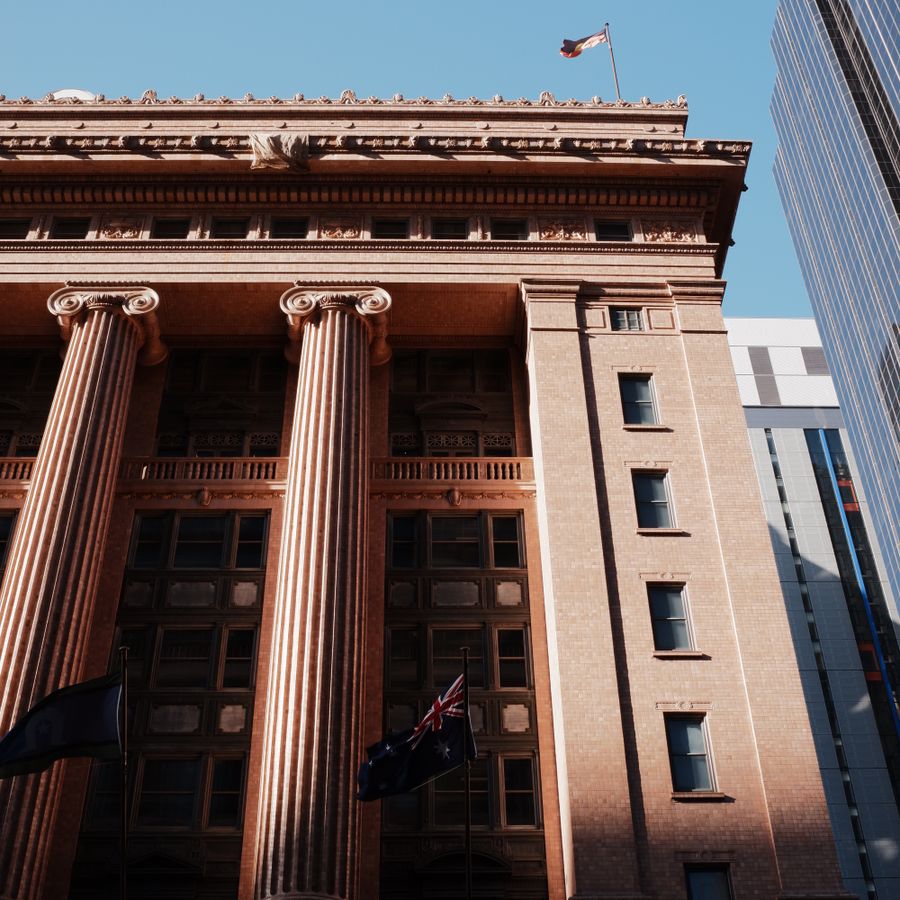
Australia’s finance story began with practical needs: trade, land, infrastructure, agriculture and settlement. Over time, banks, stock exchanges and regulators created a more structured system for savings, lending and capital formation.
Understanding that history matters because markets are never just numbers. They reflect institutions, regulation, culture, technology and trust.
One of Australia’s earliest formal banking institutions helped support colonial commerce and credit.
Gold discoveries increased population, trade and investment activity, accelerating financial development in Melbourne and Sydney.
Organised securities trading grew as mining, banks and infrastructure required capital from a broader investor base.
Federation created a national political framework, eventually supporting more consistent economic and financial policy.
The RBA took responsibility for central banking functions, including monetary policy and financial system stability.
State exchanges combined into a national exchange, improving market structure and visibility for listed securities.
The Superannuation Guarantee transformed retirement savings and created a large pool of long-term investment capital.
Licensing, disclosure, market conduct rules and consumer protections became central to Australia’s financial landscape.
Stable institutions can improve trust, but they do not remove risk. Regulation helps structure markets; it does not guarantee outcomes.
Credit booms, commodity cycles and confidence shifts appear repeatedly. The asset or technology may change, but human behaviour remains relevant.
Financial literacy improves decision quality over time. A stronger process can help readers ask better questions before seeking professional advice.